Blog
How to Stop Your Dog From Pulling on the Leash

If every walk feels like your dog is walking you, you are in good company. Leash pulling is one of the most common problems dog owners deal with, and it is not because your dog is stubborn. Dogs pull because it works: pulling gets them to the next smell faster. The fix is to make walking nicely the thing that works instead. Here is a calm, step-by-step plan that most dogs pick up within a few weeks.
Why dogs pull
- We walk slowly. A dog’s natural pace is faster than ours, especially for young and energetic dogs.
- Pulling gets rewarded. Every time the leash is tight and the dog still moves forward, pulling pays off.
- The world is exciting. Smells, squirrels, other dogs: a walk is the best part of their day.
- Opposition reflex. When something pulls a dog backward, their instinct is to lean forward against it.
1. Start with the right gear
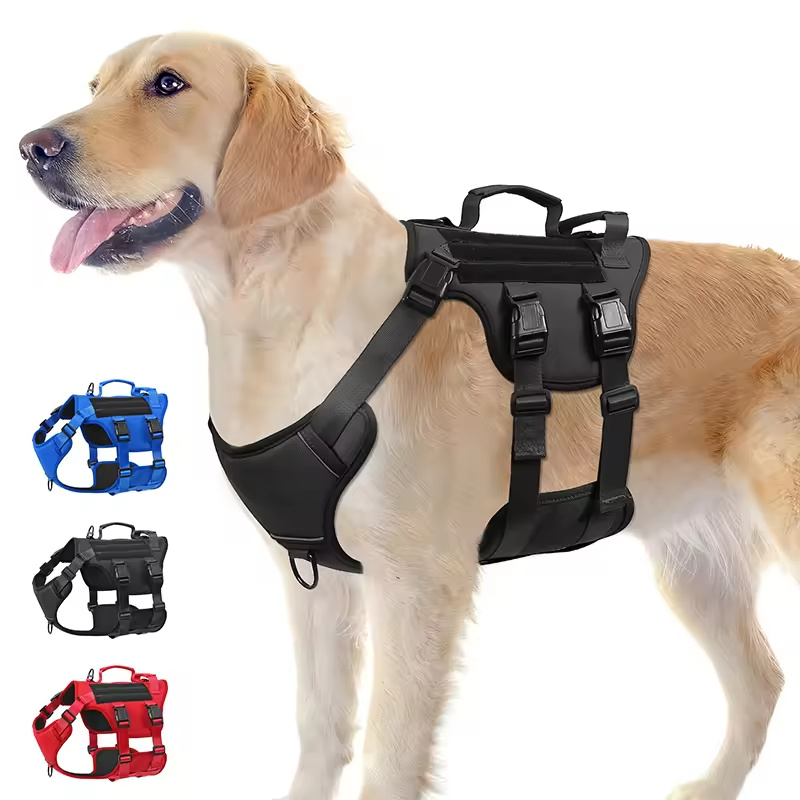
Equipment will not train your dog for you, but it can make training easier and safer. A front-clip harness attaches the leash at the chest, so when your dog pulls, they are gently turned back toward you instead of gaining ground. Handles on the back give you quick control near traffic or other dogs. Our no-pull harness with dual handles has both, plus reflective details for evening walks.
Avoid choke or prong collars. They can hurt your dog’s neck and often make pulling worse by raising stress.
2. Practice “be a tree”
The moment the leash goes tight, stop and stand still. Do not jerk the leash or say anything. Wait. As soon as your dog looks back or the leash loosens, say “yes” and start walking again. Your dog learns a simple rule: a tight leash stops the walk, a loose leash keeps it going. It feels slow for the first few days, then it clicks.
3. Reward the spot next to you
Carry small, soft treats. Every few steps that your dog walks beside you with a loose leash, drop a treat right next to your leg. You are building a “sweet spot” where good things happen. Over time, reward less often and use praise and sniff breaks as rewards too.
4. Change direction
If your dog keeps charging ahead, cheerfully turn and walk the other way. When they catch up and are next to you, reward them. Changing direction keeps your dog paying attention to you instead of the horizon.
5. Let them sniff, on cue
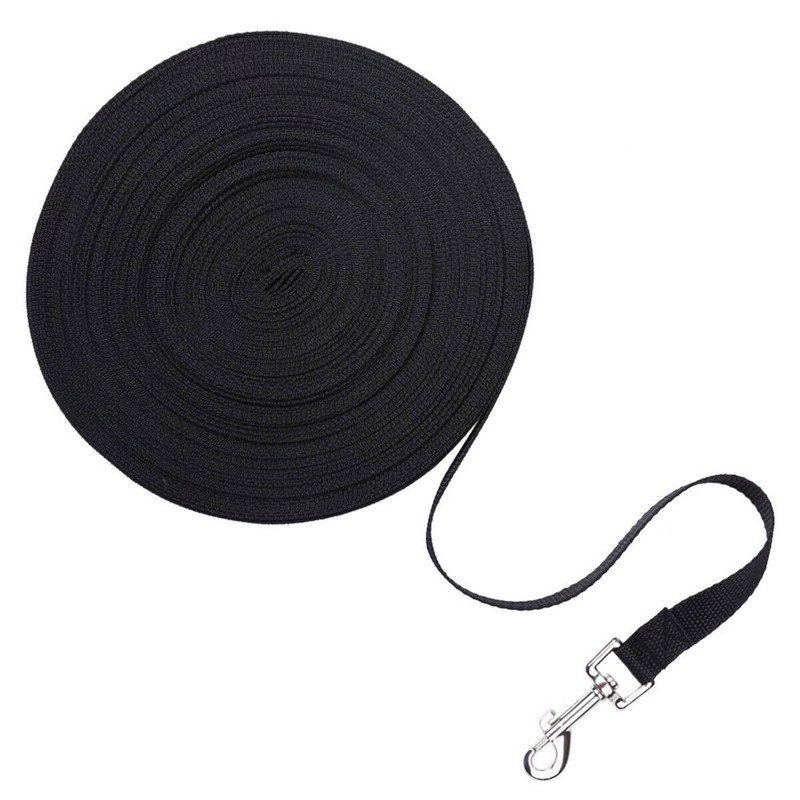
Sniffing is how dogs read the news, and a walk without it is frustrating. Give a release word like “go sniff” and let them explore on a loose leash, then call them back to walking. A long line such as a 23 ft training leash is great for sniff walks and recall practice in open, safe areas.
6. Burn energy first
A dog with too much energy will struggle to walk calmly. A few minutes of fetch, a tug game or a puzzle feeder before the walk takes the edge off and makes training sessions much more successful.
7. Be consistent
Everyone who walks your dog should follow the same rules. If the leash sometimes “works” when tight, your dog will keep trying. Short, frequent training walks of 10 to 15 minutes are better than one long, frustrating one.
How long does it take?
Most dogs show clear improvement in one to three weeks of consistent practice. Strong pullers and young dogs can take longer, and that is normal. If your dog lunges at other dogs or people out of fear or frustration, a certified positive-reinforcement trainer can help.
Shop the post
- No-Pull Tactical Dog Harness with Dual Handles
- 23 ft Long Dog Training Leash for Recall
- 6 ft Heavy-Duty Reflective Rope Dog Leash
- 270 Dog Poop Bags, Leak-Proof Refill Rolls
Free US shipping on every order, and 10% off your first order with code WELCOME10.